On market mornings a long stretch of Main Street in downtown Las Cruces fills with white canopies, folding tables and people moving slowly between them. The Las Cruces farmers and crafts market is one of the largest in New Mexico, and it is a good way to see what the Mesilla Valley grows and makes: chile, onions, pecans, honey, eggs, bread, tamales, pottery, jewelry, woodwork and a great deal more.
It runs on Saturday mornings, with a smaller midweek market in most seasons. Hours and the exact layout change from time to time, so check the current schedule with the city before you go. What does not change is the rhythm: busy early, hot by noon, mostly packed up by early afternoon.
Go early
The single best piece of advice is to arrive when the market opens. The light is soft, the air is still cool for much of the year, the best produce has not yet sold, and you can walk without being carried along by the crowd. Vendors are also more relaxed before the rush and happy to tell you what is in season and how they grow it.
By late morning the street is at its fullest. That is fine if you like the bustle and the music, but in summer the sun on bare pavement becomes punishing quickly. Las Cruces sits close to 4,000 feet in the Chihuahuan Desert, and from late May to September the sun is strong even when the temperature feels bearable.
Following the smell of chile
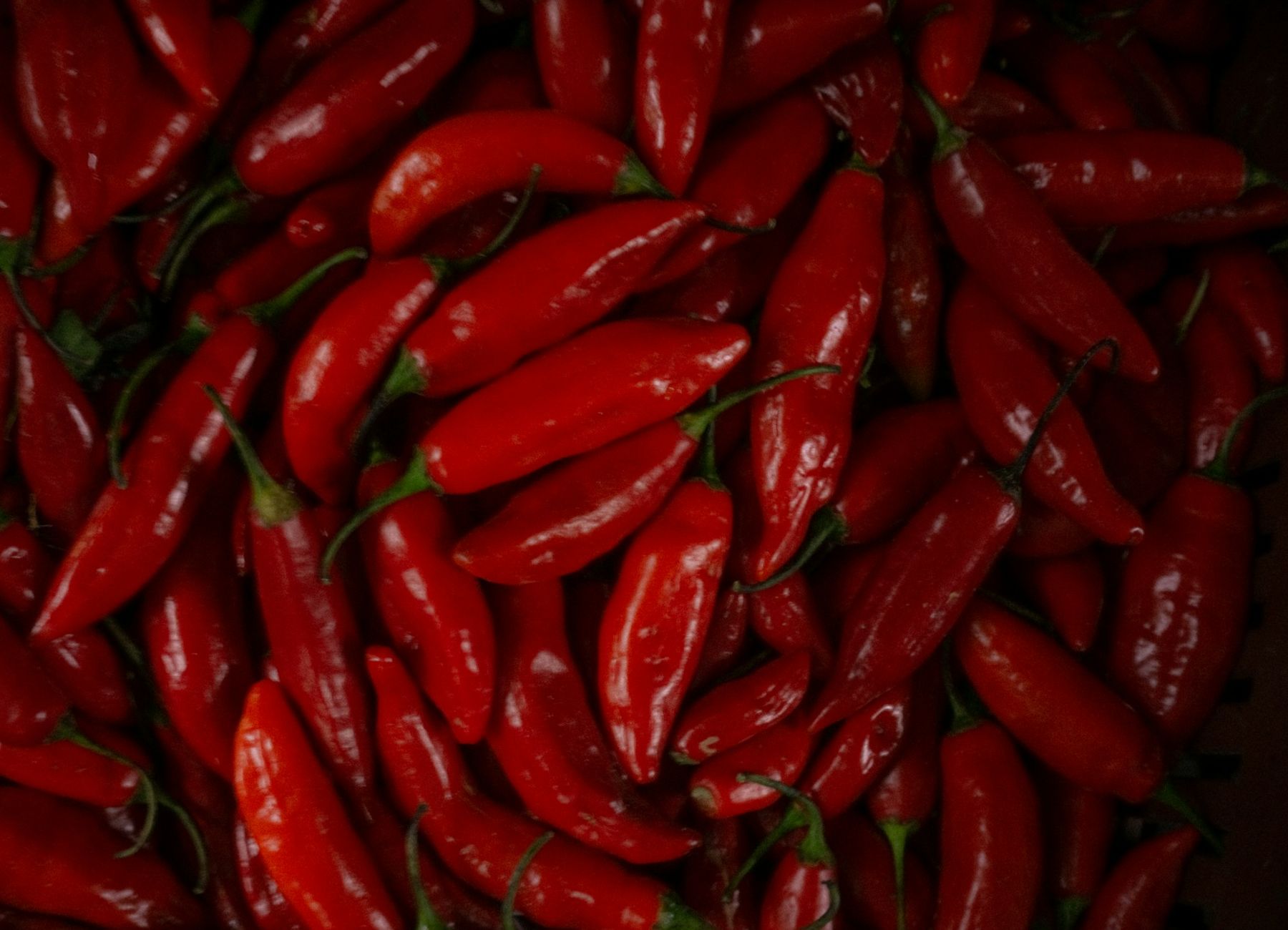
From late summer into autumn you will often smell the market before you see it. Green chile harvested in the valley is sold by the sack, and some vendors roast it on the spot in rotating steel drums over propane burners. The skins blister and blacken, the smell of roasting chile drifts down the block, and buyers carry off warm bags to peel and freeze at home.
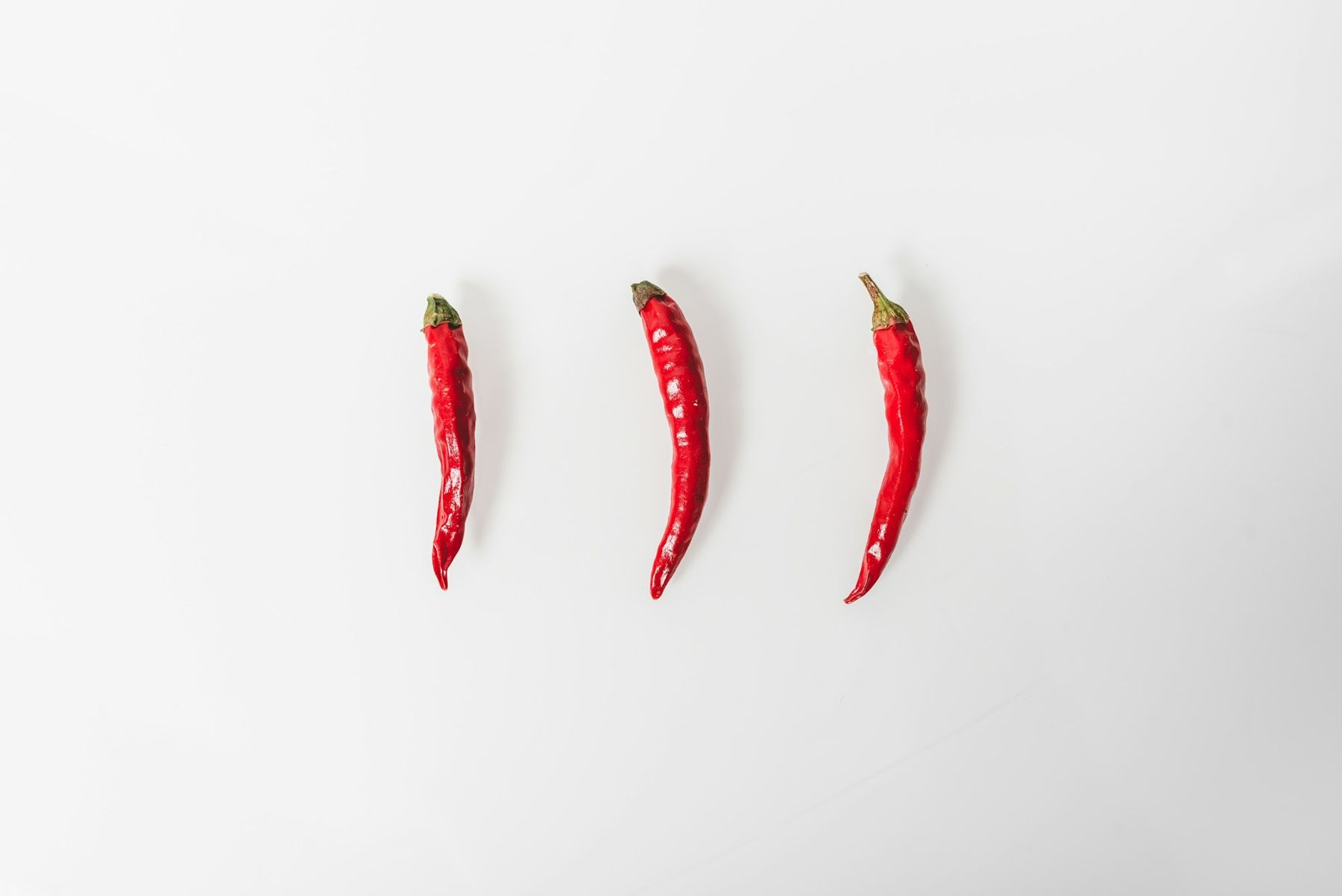
If you are new to it, buy a small amount first and ask how hot it is. Heat varies a lot between varieties and between one sack and the next. Red chile, the same plant left to ripen and then dried, appears as pods, powder and ristras, the long strings of dried pods that hang beside doorways across the region. For the story of where much of this chile comes from, read about Hatch and the chile harvest.
- Late summer and early autumn: green chile, melons, tomatoes, peppers.
- Autumn and winter: red chile, pecans, squash.
- Spring: greens, onions, eggs, plants for the garden.
- All year: baked goods, honey, salsas, crafts.
Crafts, food and music
Much of the market is not produce at all. Long rows of stalls sell handmade things: jewelry in silver and turquoise, painted gourds, pottery, wooden toys, soap, clothing and art. As with any large craft market, quality is mixed, and the pleasure is in looking. Ask makers about their work; many are happy to explain how a piece was made.
There is usually food to eat on the spot, from breakfast burritos to tamales and kettle corn, and in most weeks a musician or two plays somewhere along the street. Families come with strollers, older couples come every week for the same bread, and plenty of people bring their dogs. The market feels like a town ritual more than an attraction.
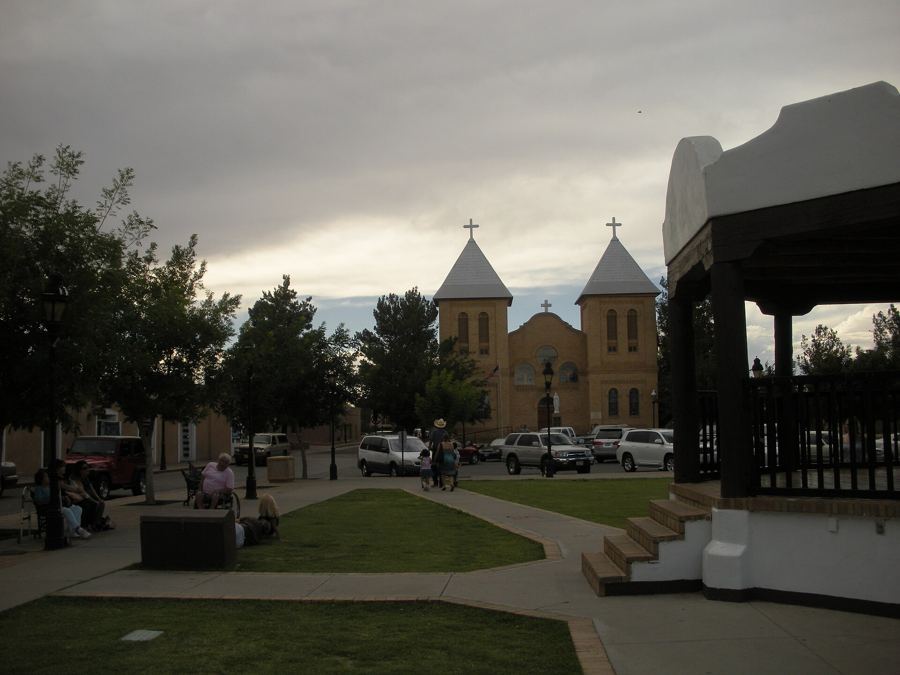 Down another streetA day around the Mesilla plaza
Shade, water and pacing
Main Street has some trees and some building shade, but most of the market is in the open. Bring a hat and water, and plan a break or two. The city museums near Main Street, including the Branigan Cultural Center and the Las Cruces Museum of Art, are a cool place to step out of the sun when they are open; both are worth an hour on their own.
Spring brings a different problem: wind. March and April afternoons can blow hard across the valley, and vendors sometimes struggle to hold their canopies down. Come early in spring too, before the wind picks up.
Many stalls take cards, but not all, and cash still makes small purchases quicker. A tote bag saves a lot of plastic and handles the awkward shapes of squash and bread better than a thin carrier bag.
Parking and getting there
Main Street is closed to traffic along the market blocks while it runs, so you cannot drive through. There is public parking in lots and on streets around downtown, and on busy mornings the closest spaces fill early. Arriving early solves this too. If you are staying in Mesilla or elsewhere in Las Cruces, a short drive and a short walk is the usual approach.
Downtown Las Cruces has changed a lot over the years. Much of the old downtown was cleared in urban renewal in the late 1960s and 1970s, and Main Street was turned into a pedestrian mall; decades later the street was rebuilt and reopened to cars, and the market has helped bring life back to it. Walk a block or two off Main and you will see a mix of older civic buildings, newer construction and empty lots still waiting for a purpose.
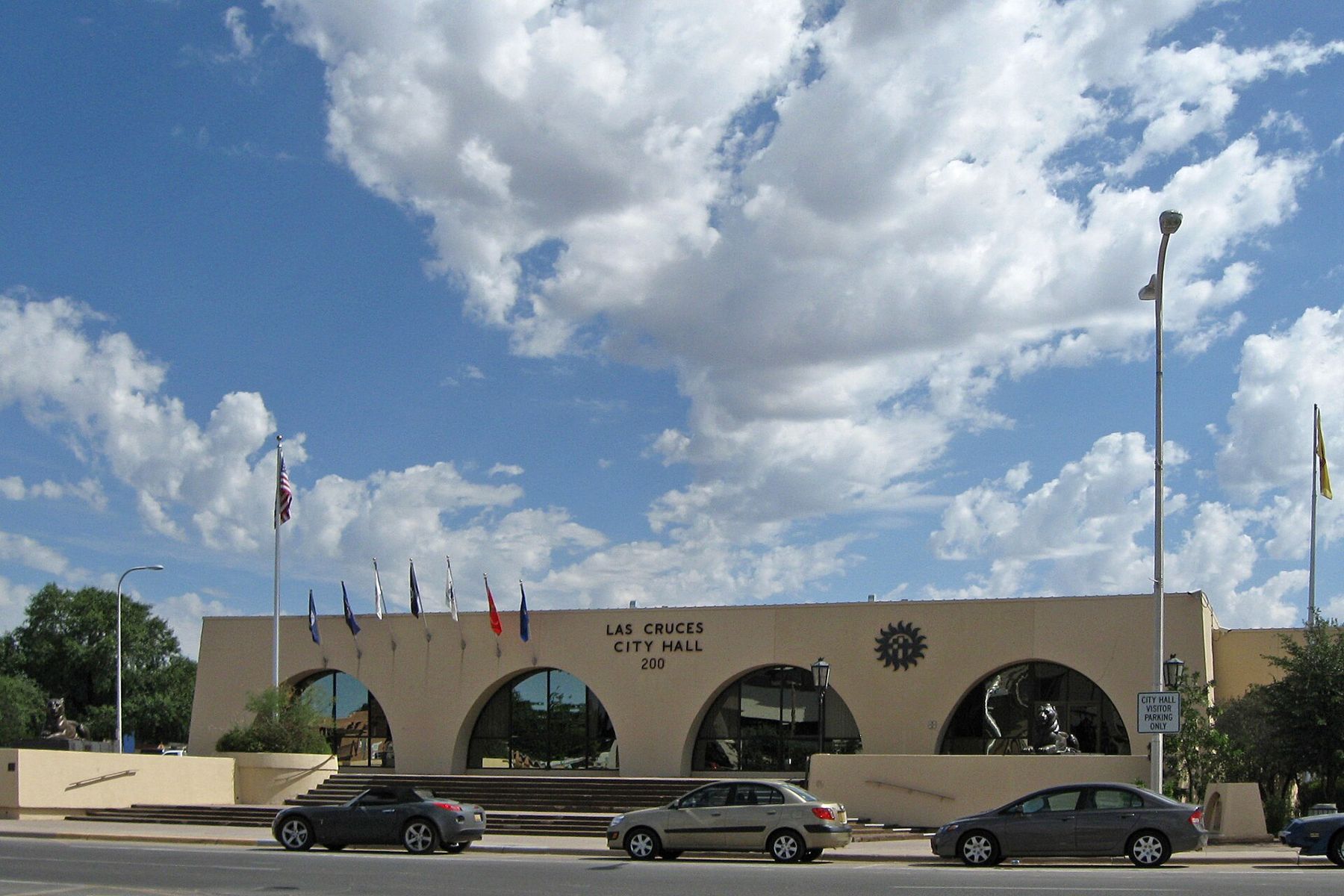
For the wider picture of the region, including the drive in from El Paso and how far everything is, see getting here and around.
Making a morning of it
A good market morning in Las Cruces might run like this: arrive at opening, walk the full length once without buying anything, then go back for what caught your eye. Stop for breakfast from a stall, buy chile if it is in season, and step into one of the downtown museums before the heat builds.
In the afternoon, drive the few minutes to Mesilla and spend the slower, hotter hours around the plaza and the basilica. Or, if the day is cool, head east toward the Organ Mountains, whose jagged skyline has been in view all morning beyond the rooftops. Either way, you will have seen the valley at its most sociable.