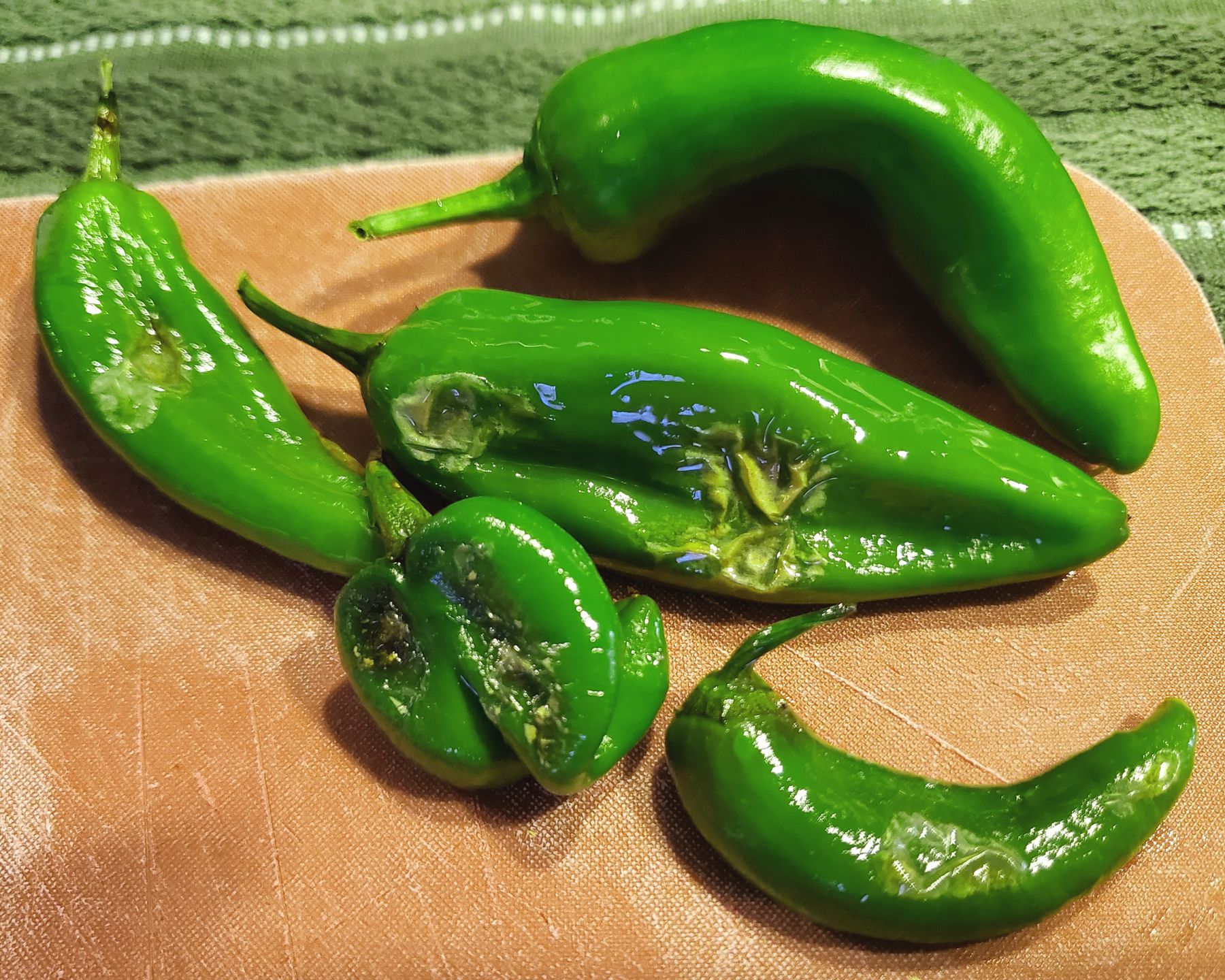
Hatch is a small village on the Rio Grande, a little under an hour's drive north and west of Las Cruces on Interstate 25. For most of the year it is a quiet farm town with a short main street, a few shops and wide fields running to the edge of the river. For several weeks in late summer it becomes the center of attention for anyone who cares about New Mexican chile.
The name Hatch on a sack of chile means it was grown in the Hatch Valley, the stretch of irrigated farmland along the river around the village, roughly from Arrey in the north to Rincon in the south. The soil, the long hot days, the cool desert nights and the river water together make chile that people drive hundreds of miles to buy.
The village and the valley
The village takes its name from Edward Hatch, a US Army general who commanded the military district of New Mexico in the 1870s and early 1880s. The railroad came through in the same years, and Hatch grew as a farm and shipping town. Today it has about 1,500 people and calls itself the chile capital of the world, a claim few in the state would dispute.
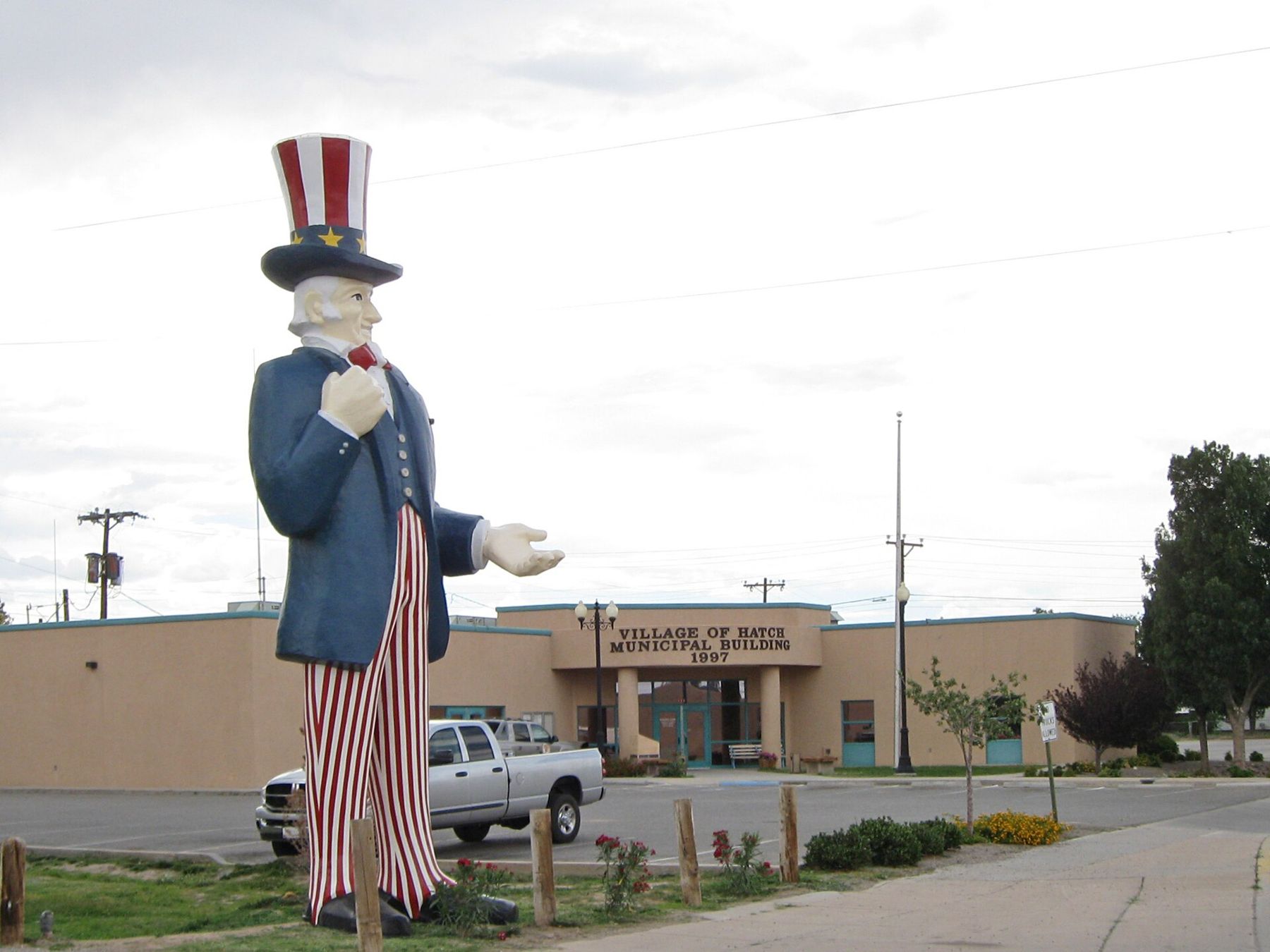
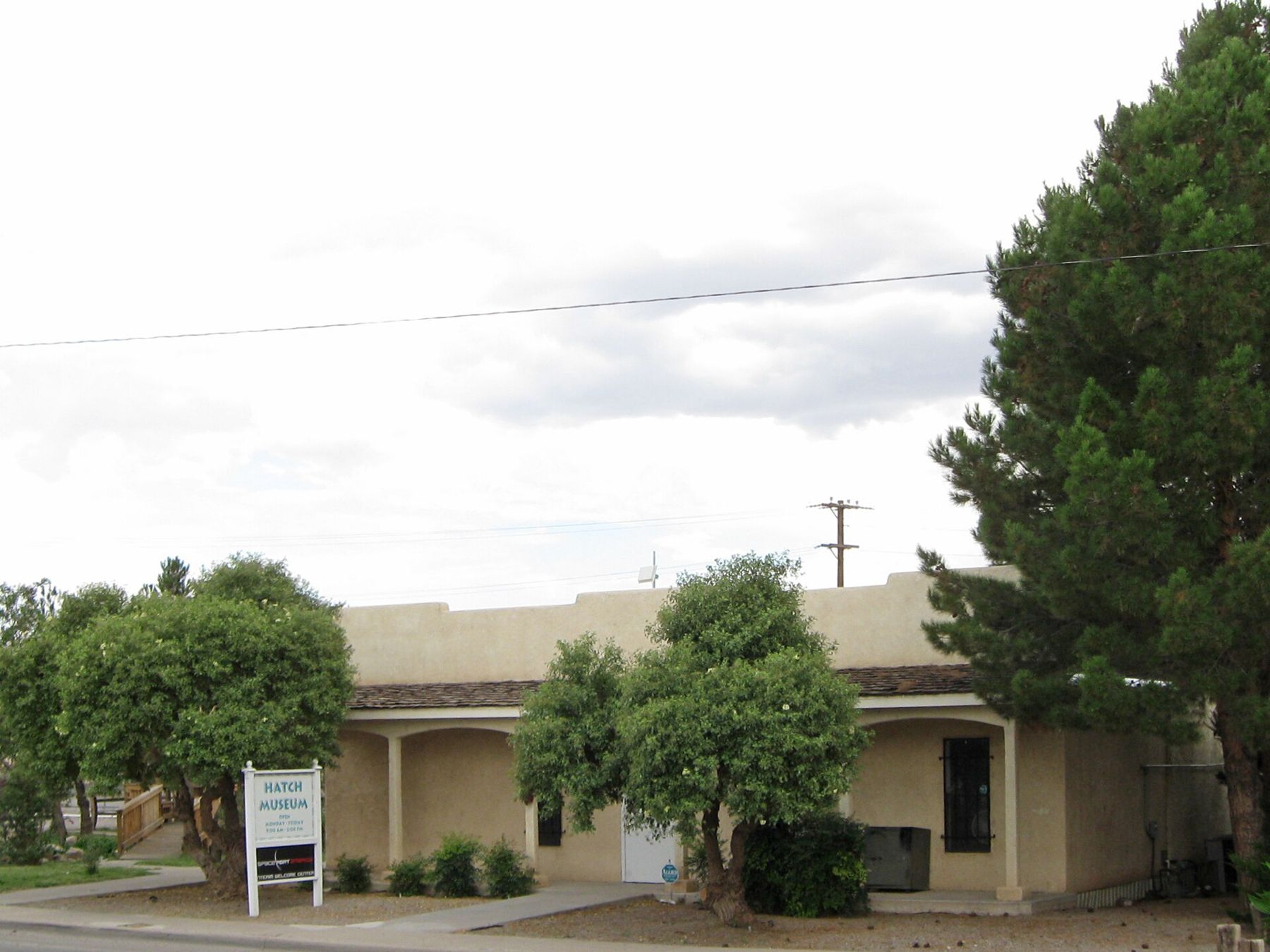
Walk the main street and you will see chile everywhere: on signs, painted on walls, hanging in red ristras by doorways, and sold by the sack or the jar from stands and shops. A giant Uncle Sam figure stands in front of the municipal building, one of the village's quirks, and the small Hatch Museum covers local history.
Fields along the Rio Grande
Drive the back roads around the village and you are among the fields. Chile grows in long, straight rows of bushy plants, knee- to waist-high by late summer, watered by furrow irrigation from ditches that draw on the Rio Grande. The river's water is stored upstream in Elephant Butte and Caballo reservoirs and released through the irrigation season, roughly spring to early autumn. Wells supplement it in dry years.
Chile shares the valley with onions, cotton, alfalfa and pecan orchards. Much of the harvest is still picked by hand, by crews working the rows in the heat from early morning. The fields are private farmland: enjoy them from the road, do not walk in or pick, and pull well off the pavement if you stop for a photograph.
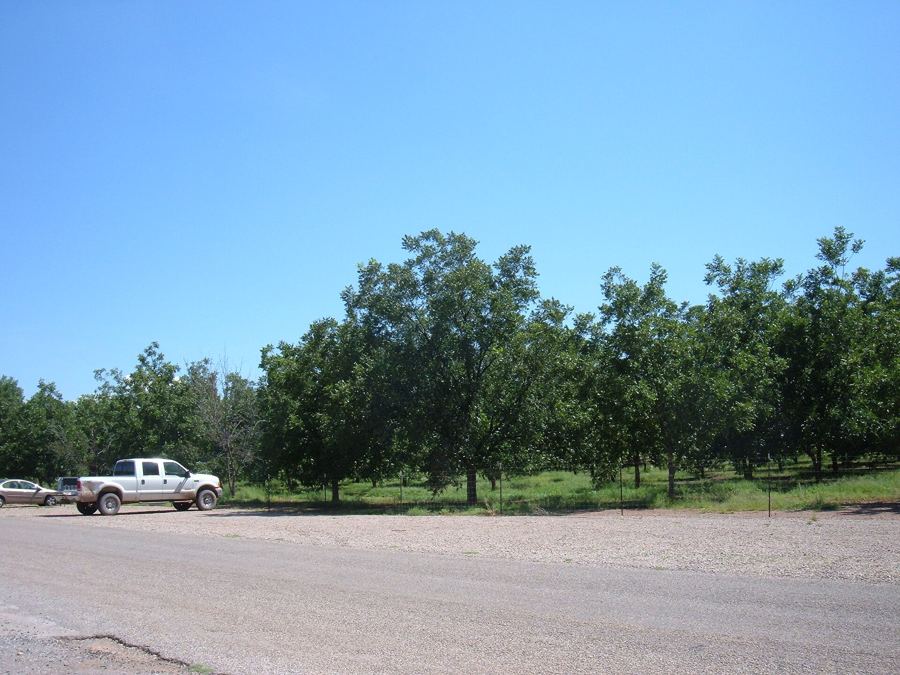 Down another streetThe pecan orchards of the Mesilla Valley
Harvest season and roasting
The green chile harvest usually runs from about early August into September, with some picking continuing into October depending on the year. That is when Hatch is busiest. Farm stands and shops along the roads sell fresh green chile by the sack, and many will roast it for you on the spot.
Roasting is the defining smell of a New Mexico autumn. Fresh chiles are tipped into a wire drum that turns over a row of gas flames. The skins blister and char in a few minutes; the chiles come out soft and smoky and go straight into a bag, where the steam loosens the skins. At home people peel them, often wearing gloves, and freeze them in portions to last until the next harvest.
Roasting is the defining smell of a New Mexico autumn.
The Hatch Chile Festival, traditionally held over Labor Day weekend, brings food, music, crafts and a lot of people into the village. Dates and programs change, so check before you plan a trip around it. Outside festival weekends, harvest-season weekdays are calmer and better for buying.
- Bring a cooler if you plan to drive roasted chile any distance.
- Ask about heat: most stands sell mild, medium and hot, and the difference is real.
- Buy what you can freeze within a day or two; fresh chile does not keep long.
Red, green and Christmas
Red and green chile are the same plant at different stages. Green chile is picked while the pods are full-sized but unripe. Left on the plant into the autumn, the pods turn red, sweeter and deeper in flavor. Red chile is usually dried, then sold whole, ground into powder, or tied into ristras, the long strings of pods that hang by doorways and dry further in the sun.
The two make different dishes. Green chile is chopped and folded into stews, sauces and burgers, or stuffed whole as chiles rellenos. Red chile is cooked down into a smooth, dark sauce for enchiladas, tamales and carne adovada. In New Mexican restaurants the server asks "red or green?", which is the official state question. If you cannot decide, say "Christmas" and you get both. The story on eating in the Mesilla Valley goes further.
Much of the chile grown here comes from varieties bred at the college in Las Cruces that became New Mexico State University. Early in the twentieth century a horticulturist there began breeding more uniform, reliable pods for New Mexico farmers, and the long green chiles you buy today owe a lot to that work.
Heat is part of the conversation everywhere you buy. Breeders and growers offer a range, from mild pods that are mostly flavor to hot ones that make your eyes water, and the same variety can vary from field to field and year to year. Weather plays a part too: a hot, dry stretch late in the season tends to push the heat up. If you are unsure, start mild. You can always add heat at the table; you cannot take it away.
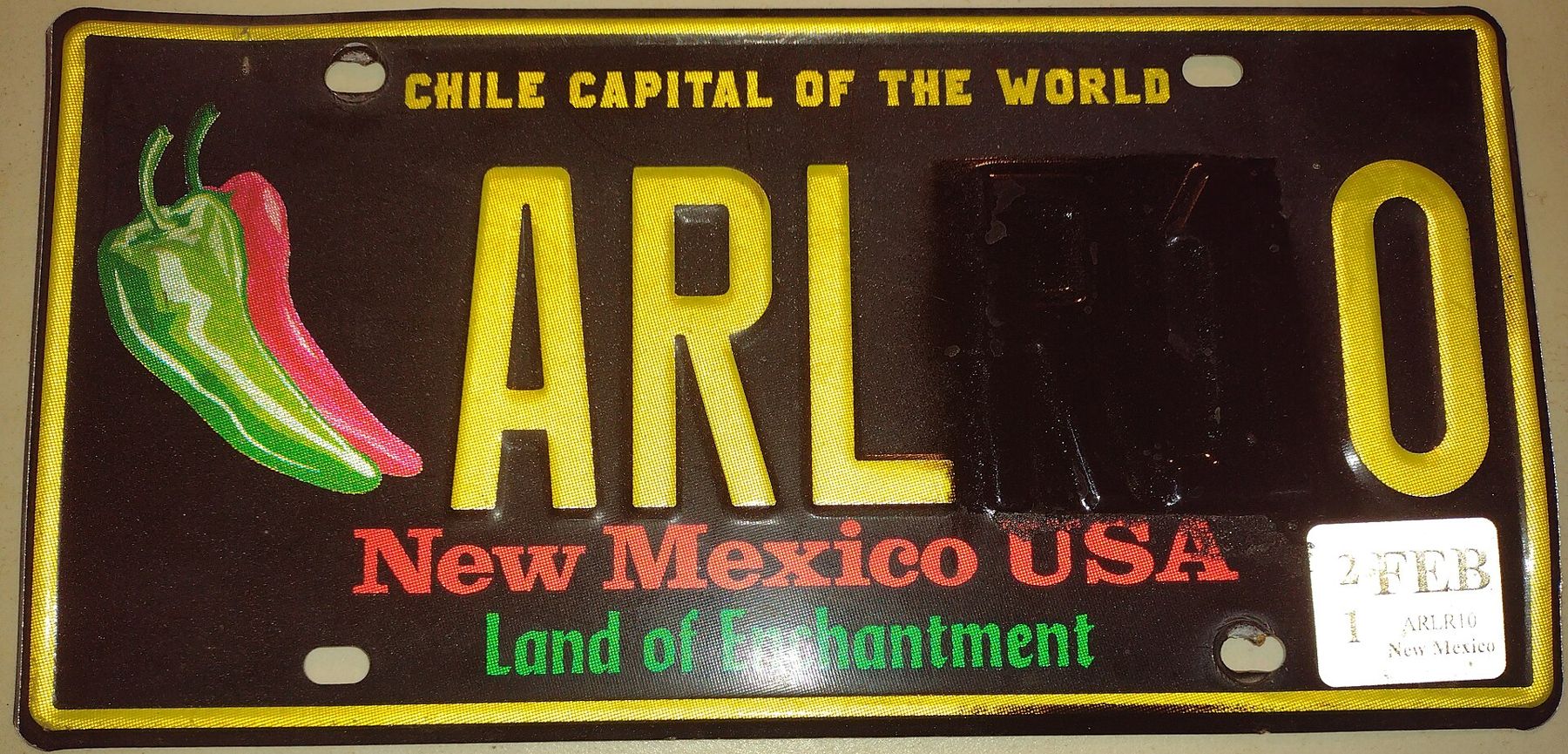
Making the trip
From Las Cruces, Hatch is an easy drive on I-25, or a slower and prettier one on the old roads through the farm villages along the river. Combine it with a stop at Fort Selden, the ruined adobe army post near Radium Springs, which lies just off the interstate on the way.
Come in the morning. Summer and early autumn afternoons in the valley are hot, often in the high 90s Fahrenheit, and the stands are busiest and the chile freshest early in the day. Carry water and a hat, and keep some cash, since smaller stands may not take cards. In the winter and spring the fields are bare or newly planted and the village is quiet, but dried red chile and ristras are sold all year.
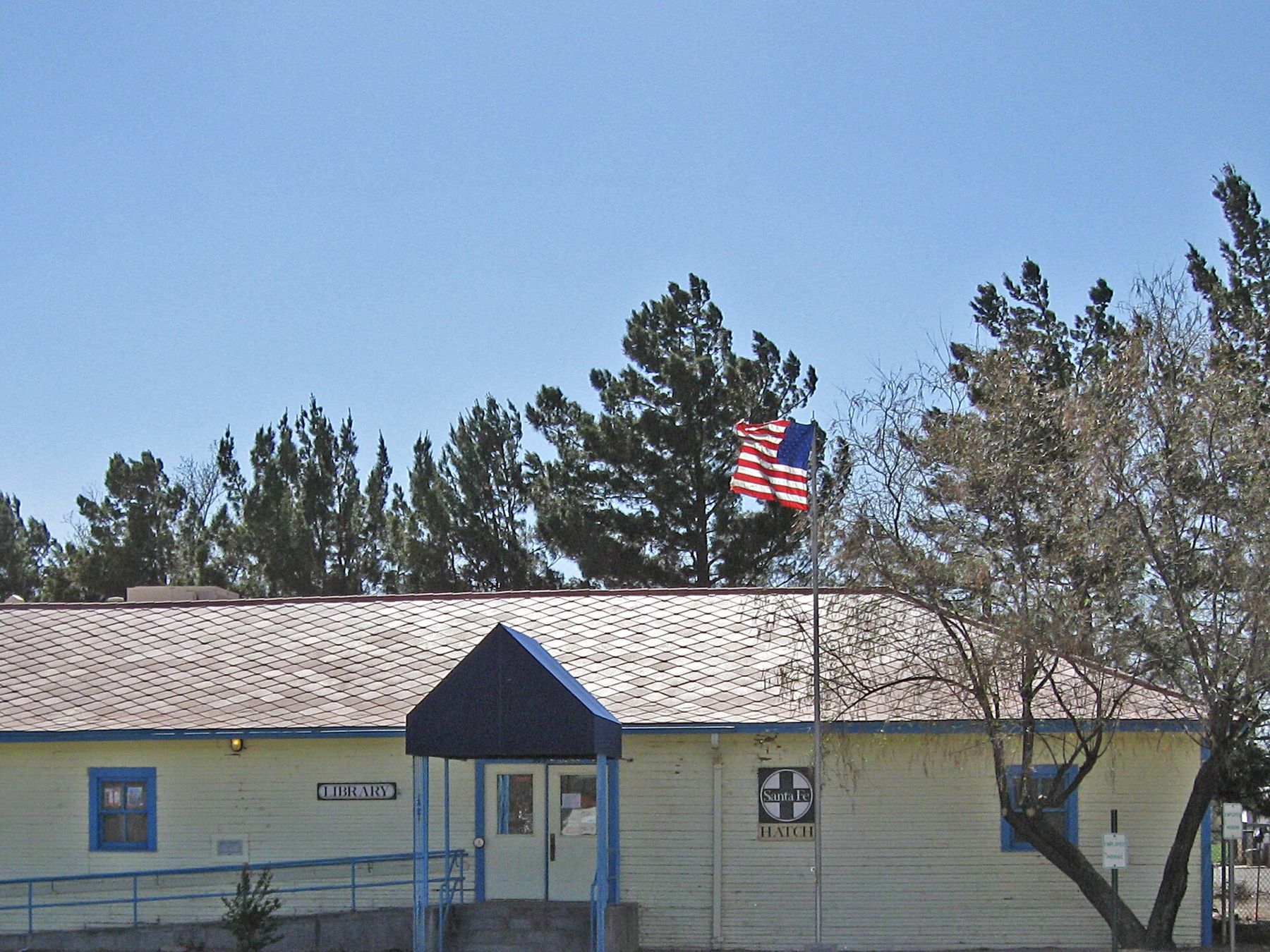
Back in Las Cruces, the Saturday farmers market sells valley chile in season too, often roasted on the spot. But there is something about buying it in Hatch, a few hundred yards from the field it grew in, with the roaster turning and the river trees beyond, that makes it taste better.