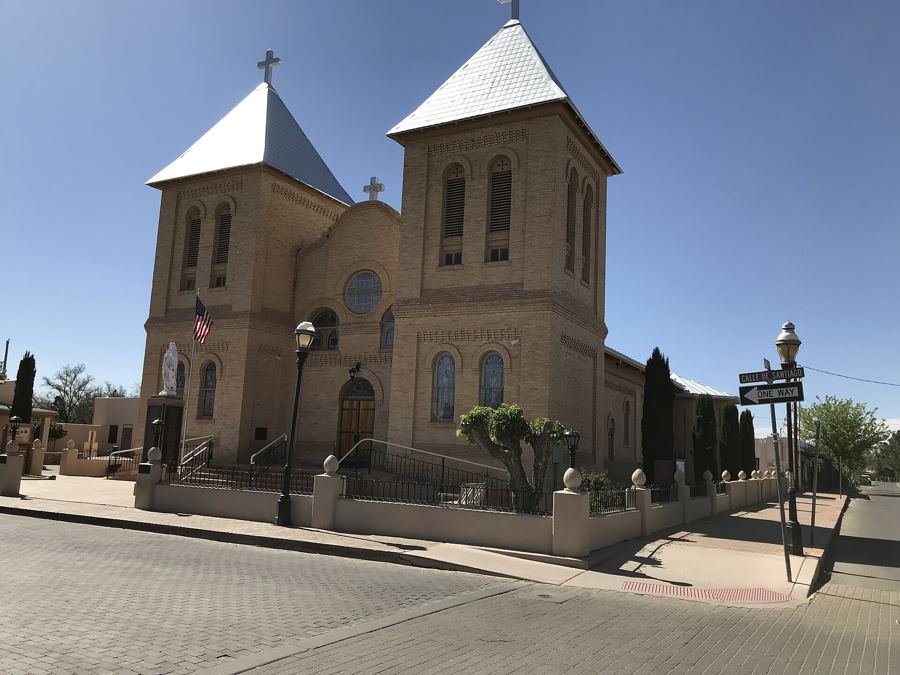
The Mesilla plaza looks settled and calm: a square of shade trees and a bandstand, low adobe buildings on every side, the twin towers of the Basilica of San Albino at the north end. It is hard to imagine that the ground under it changed countries, that armies marched into it from opposite directions, and that a famous outlaw stood trial a few steps away. Yet all of that happened in less than forty years, and the plaza is the best place to understand it.
This is the history behind the walk described in a day around the Mesilla plaza. Dates here are given as carefully as the record allows; where historians disagree, the story says so.
The royal road up the river
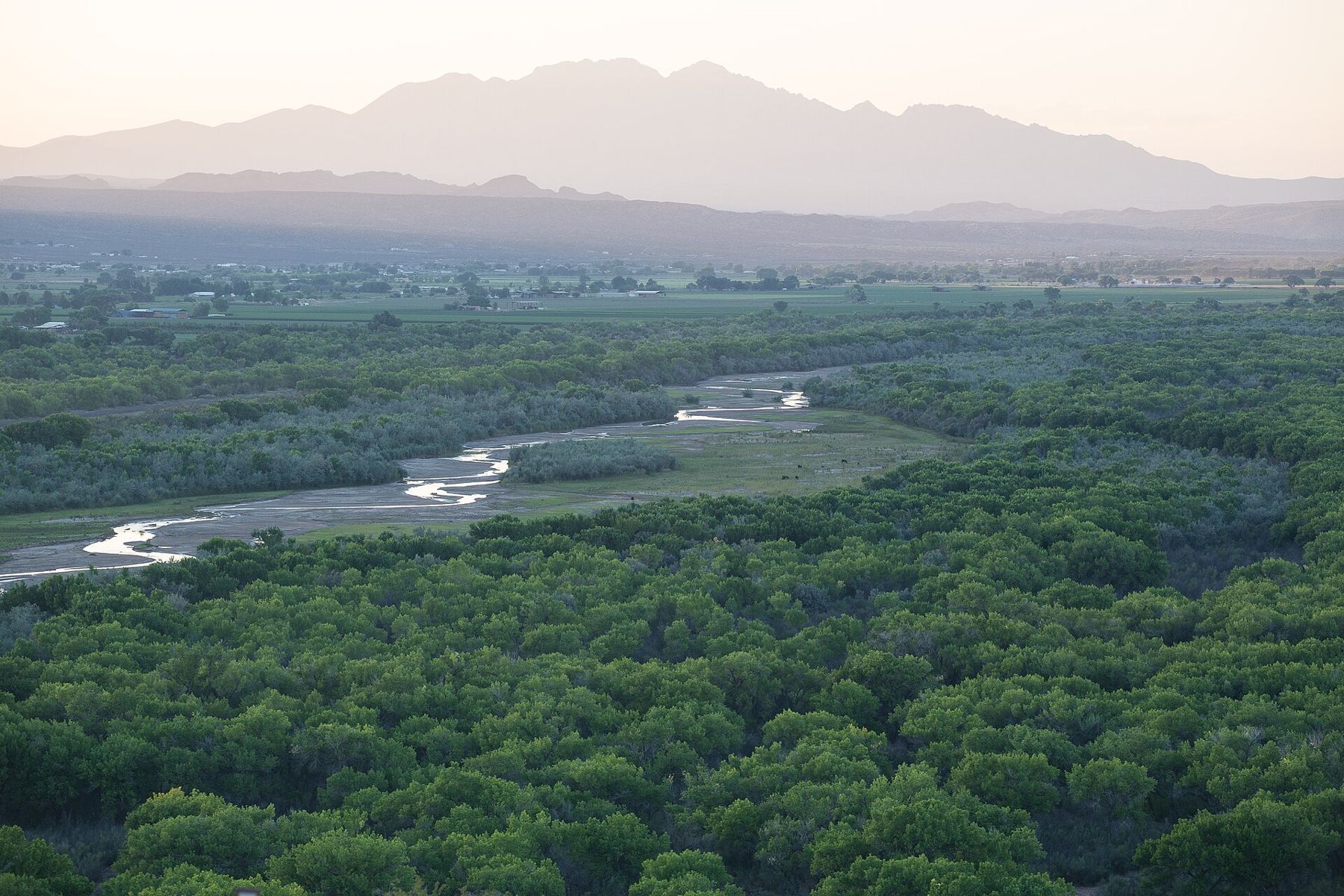
Long before Mesilla existed, the Rio Grande valley here was part of a road. El Camino Real de Tierra Adentro, the Royal Road of the Interior Land, ran about sixteen hundred miles from Mexico City north through the silver towns of northern Mexico, crossed the Rio Grande at El Paso del Norte, and followed the river up to the Spanish settlements of northern New Mexico. Juan de Oñate led colonists north along it in 1598, and for more than two centuries it was the lifeline of the colony, carrying settlers, soldiers, friars, livestock, trade goods and news.
The road is protected today as a National Historic Trail on the American side, and parts of the Mexican route are recognised as a World Heritage site. In the Mesilla Valley the road was a matter of fords, campsites and the green line of the river, with water and grass for the animals.
North of the valley, travellers faced the Jornada del Muerto, a dry shortcut of about ninety miles that left the river to avoid its canyons. The southern end of that crossing lay near the place where Fort Selden was later built, and caravans rested in the valley before or after the ordeal.
A town founded to stay Mexican
Mexico won its independence from Spain in 1821, and the valley became part of the new republic. Then came the war between the United States and Mexico. In December 1846 American troops fought a brief battle at Brazito, near present-day Las Cruces, on their way south to El Paso and Chihuahua. The 1848 Treaty of Guadalupe Hidalgo ended the war and handed New Mexico to the United States.
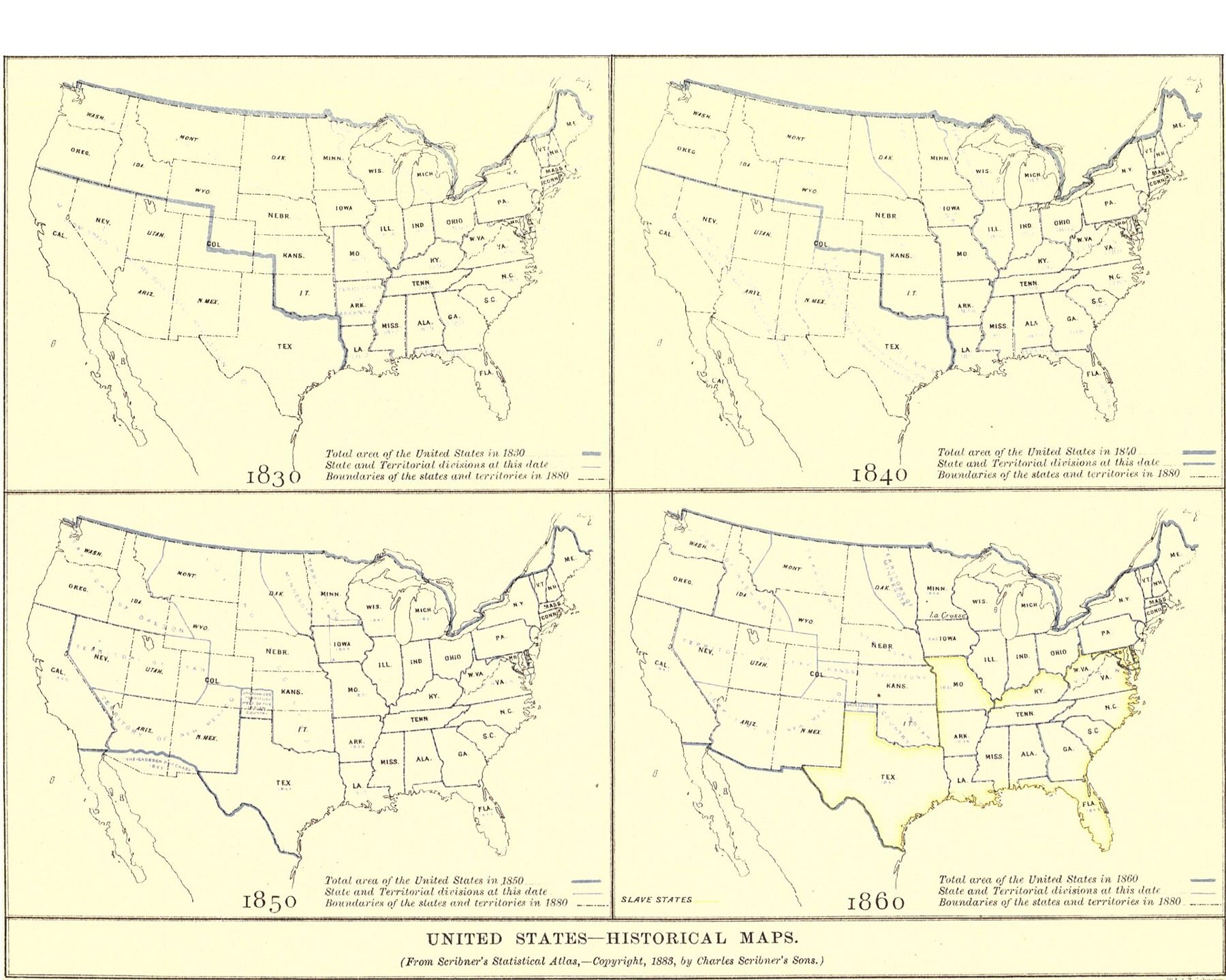
The new boundary, however, was drawn from an inaccurate map, and the west bank of the river around Mesilla was left in dispute. Many families in the area, including people from the American-held side, chose to settle there so that they could remain Mexican citizens. Mesilla took shape around 1850 on land granted under Mexican authority, with a plaza, a church and fields watered by ditches from the river. The town grew quickly and became the most important settlement in the valley.
 Down another streetChristmas Eve on the Mesilla plaza
The Gadsden Purchase
The disputed strip did not stay Mexican for long. The United States wanted a southern route for a railroad to California, and the best ground for it ran through territory still held by Mexico. In December 1853 the American minister James Gadsden signed a treaty with the government of Antonio López de Santa Anna, buying a broad band of land south of the Gila River, including the Mesilla Valley. The treaty was ratified in 1854, and in November of that year the American flag was raised over the Mesilla plaza in a formal ceremony.
Overnight, people who had moved to Mesilla to stay in Mexico were living in the United States. Many stayed anyway, and the town kept its Mexican character: Spanish was its everyday language, its houses were adobe, and its life centred on the plaza and the church. In the late 1850s the Butterfield Overland Mail ran its stagecoaches through Mesilla on the long route between St. Louis and San Francisco, and the town became a busy stop on the main road across the Southwest.
Overnight, people who had moved to Mesilla to stay in Mexico were living in the United States.
Under a Confederate flag
When the Civil War began, the far Southwest was thinly held. In July 1861 a force of Texan troops under Lieutenant Colonel John R. Baylor crossed into the valley and occupied Mesilla. The Union garrison at nearby Fort Fillmore withdrew, and its troops surrendered in the mountains to the east a few days later. On 1 August 1861 Baylor proclaimed a Confederate Territory of Arizona, covering the southern half of today's New Mexico and Arizona, with Mesilla as its capital.
The arrangement was short. A Confederate army that pushed north up the Rio Grande in early 1862 was turned back after the fighting at Glorieta Pass near Santa Fe, and by the summer of that year Union troops marching east from California had reached the valley. Mesilla returned to Union control and stayed there.
The decades that followed were not quiet. In 1871 a political rally on the plaza turned into a violent clash between rival parties, and several people were killed. The plaza was the place where everything in the valley happened, good and bad.
Billy the Kid's trial
In the spring of 1881 Mesilla saw its most famous trial. The young man known as Billy the Kid, captured after the Lincoln County War, was brought to the town under guard. A federal murder charge against him was dismissed, and he was then tried in a territorial court for killing Sheriff William Brady of Lincoln County in 1878. The jury found him guilty in April 1881, and he was sentenced to hang in Lincoln. He escaped from the Lincoln courthouse before the date, killing two deputies, and was shot dead by Sheriff Pat Garrett at Fort Sumner that July. Which building on the plaza held the trial has been told in more than one way over the years, so treat any single claim with some caution.
The railroad and a slower life
The same year brought a quieter change that mattered more to the town. The railroad came down the valley in 1881 and ran through Las Cruces, a few miles to the east, rather than through Mesilla. Business and people followed the tracks, the county government moved to Las Cruces, and Mesilla settled into a long, slower life. That slowness is a large part of why the old adobe plaza survived when so many others were torn down.
The church at the head of the plaza is part of the same continuity. A parish has served the town since the 1850s; the present brick church dates from the early twentieth century and was named a minor basilica in 2008. At Christmas, paper-bag lanterns light the walls of the plaza. In southern New Mexico these are usually called luminarias; in Santa Fe and much of the north the same lanterns are called farolitos, and a luminaria there means a small bonfire. Both words point to the same old habit of lighting the way. The modern town, and how it eats, is covered in red or green.